









If you’ve spent any time in crypto, you know how brutal a crypto bear market can feel.
You open your portfolio, and everything is red. Coins you believed in are down 40%, 60%, sometimes even more. At some point, the same question starts creeping in: Should I just sell before it gets worse?
The truth is, selling isn’t the only option.
Instead of exiting your position during a downturn, it’s possible to borrow against your crypto, access liquidity, and still keep your assets for the next market cycle.
This is where decentralized finance changes the game.
Platforms like Jupiter Exchange have introduced tools that allow investors to use their crypto in ways that weren’t possible a few years ago. One feature in particular, Jupiter Lend, allows users to deposit assets like Solana and borrow against them without selling.
And once you understand how it works, it becomes one of the most practical ways to survive a bear market.
Why Investors Sell in a Crypto Bear Market

Selling during a bear market is often driven by necessity rather than panic.
When prices drop, investors may still believe in the long-term potential of their assets, but they may need access to funds in the short term.
For example, someone holding Solana might need stablecoins to cover expenses, rotate into another opportunity, or simply create a buffer against market volatility.
Traditionally, the only way to unlock the value of that asset would be to sell it.
The problem is that once you sell, your exposure to that asset disappears. If the market recovers later, you no longer benefit from that upside.
This is where DeFi lending changes the equation.
How DeFi Lending Works
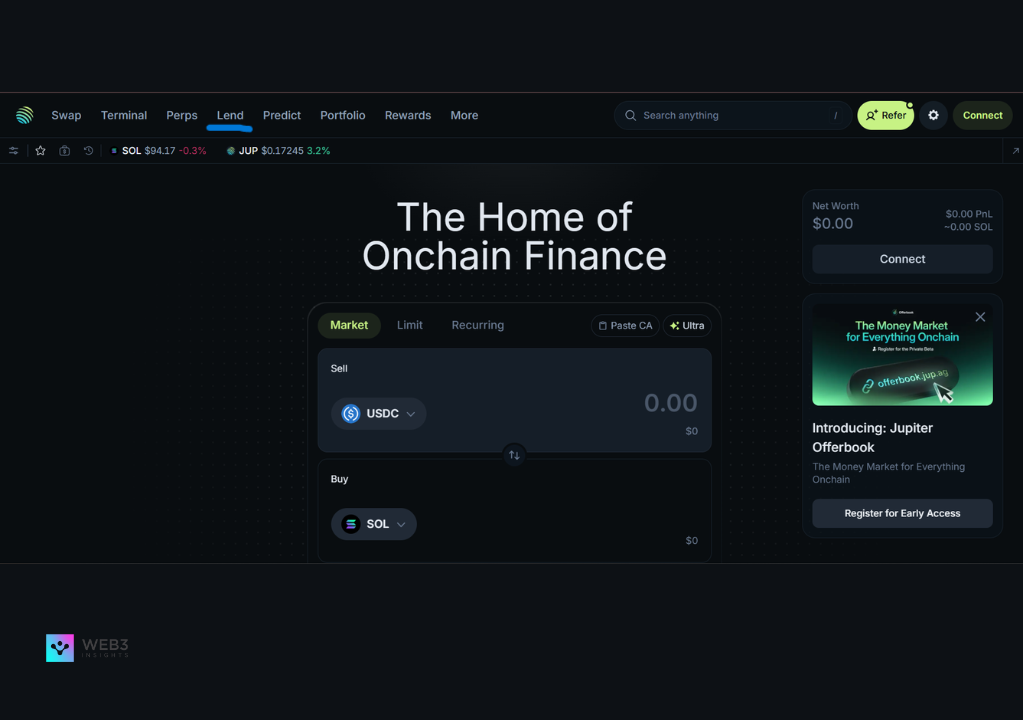
One platform where this process is easy to understand is Jupiter Exchange, a major hub for decentralized finance activity on the Solana network.
Inside the platform, Jupiter Lend allows users to deposit crypto assets and borrow other assets against them.
Here’s what the process looks like in practice.
Step 1: Go to the Borrow section
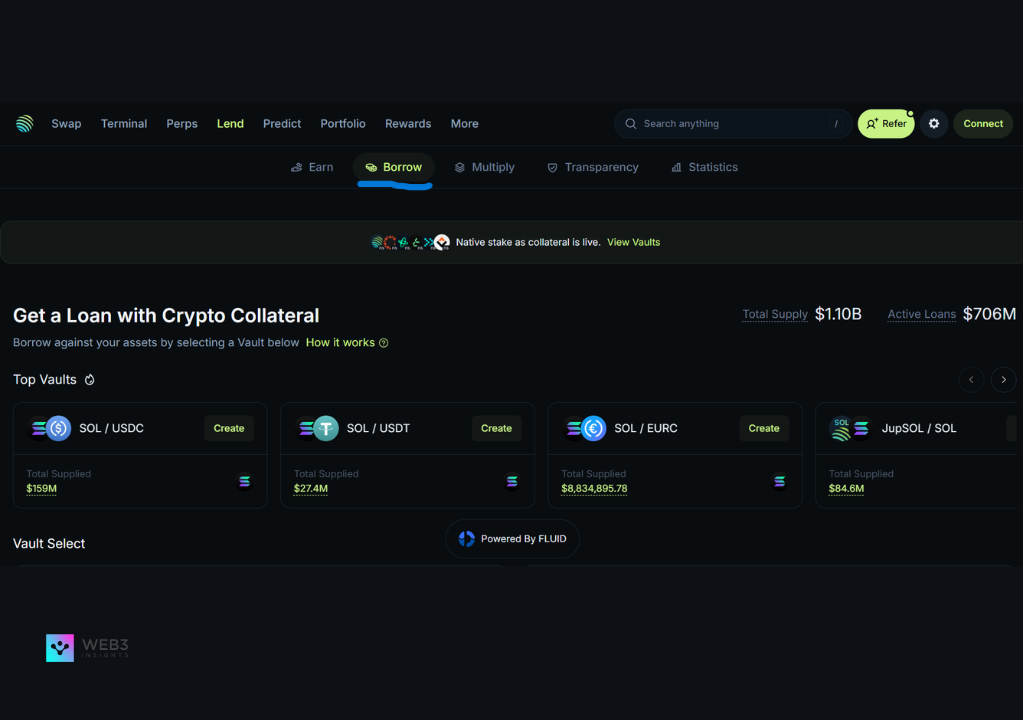
After connecting your wallet to Jupiter, navigate to the Borrow section of the platform.
This page displays available lending pools and shows how much you can borrow once you add collateral.
Step 2: Deposit your collateral
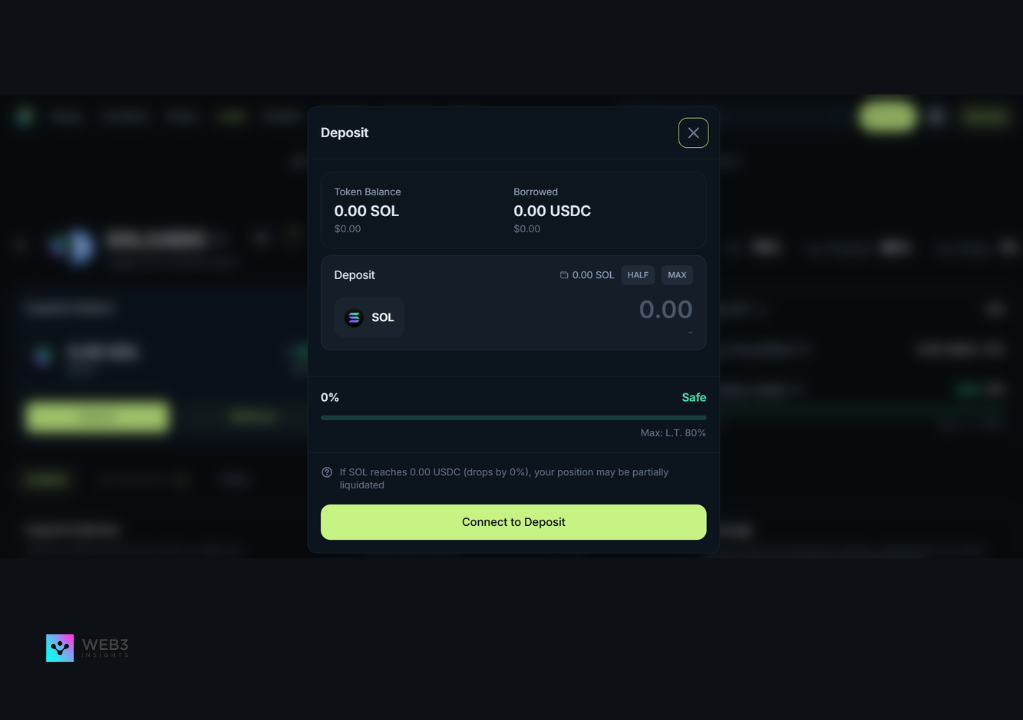
Next, choose the asset you want to deposit as collateral. In this example, the asset is Solana (SOL).
Once the SOL is deposited, it becomes locked in the protocol and acts as collateral for a loan.
Think of this as placing your asset as security while still maintaining ownership of it.
Step 3: Borrow another asset
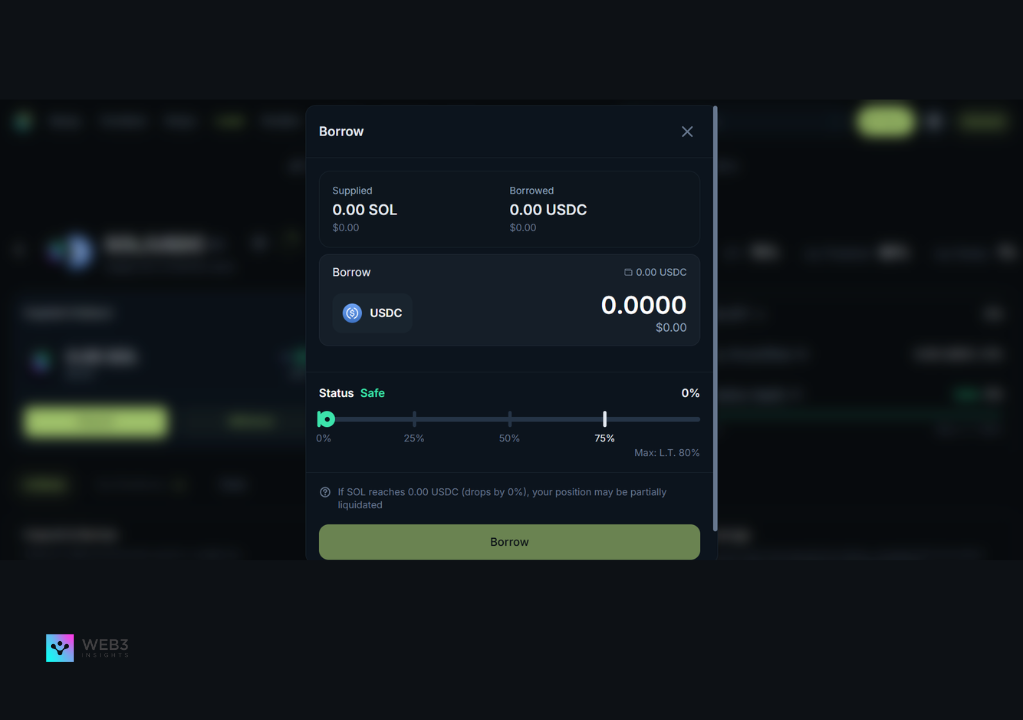
With the collateral in place, you can now borrow another asset.
Although there are various pairs on the platform, many users choose a stablecoin such as USD Coin (USDC) because its value is designed to stay close to one US dollar.
You simply select the asset you want to borrow, enter the amount, and confirm the transaction.
Step 4: Understand how much you can borrow
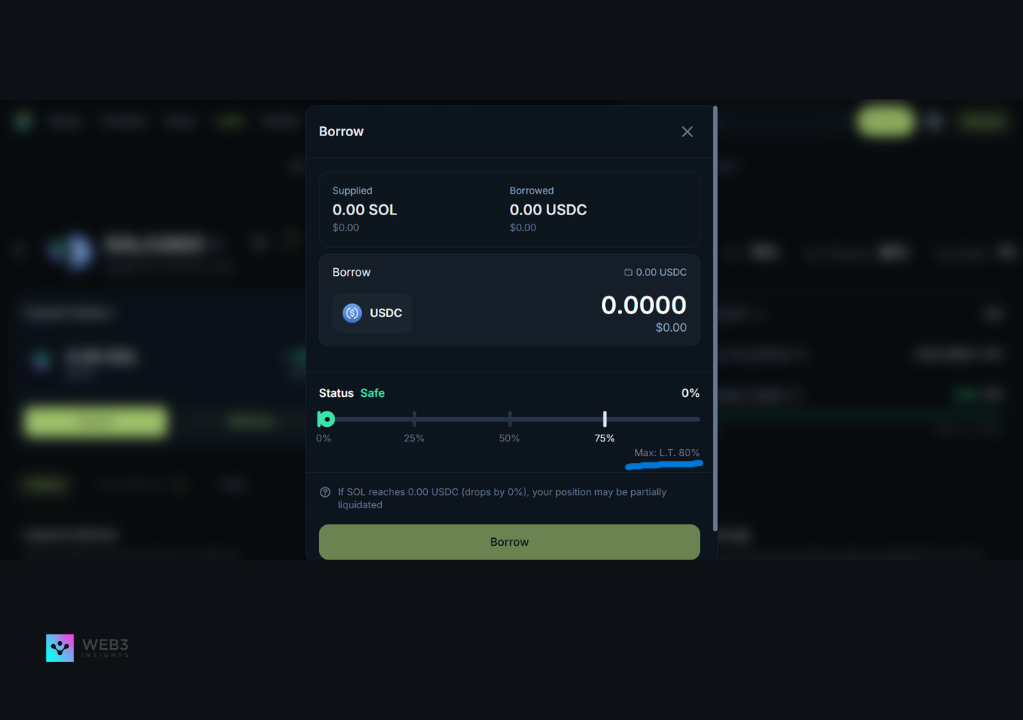
The amount you can borrow depends on something called the loan-to-value ratio (LTV).
For example, if you deposit SOL worth $100, the protocol might allow you to borrow up to about $70, depending on the lending pool.
However, borrowing the maximum amount is usually risky.
Many investors choose to borrow 40–50% of their collateral value, giving the position more room to handle market volatility and liquidation.
The key idea is simple: you never sell your SOL.
Your SOL remains locked as collateral inside the protocol. If the price of SOL rises later, you still benefit from that appreciation because you continue to own the asset.
How Yield Can Reduce Borrowing Costs
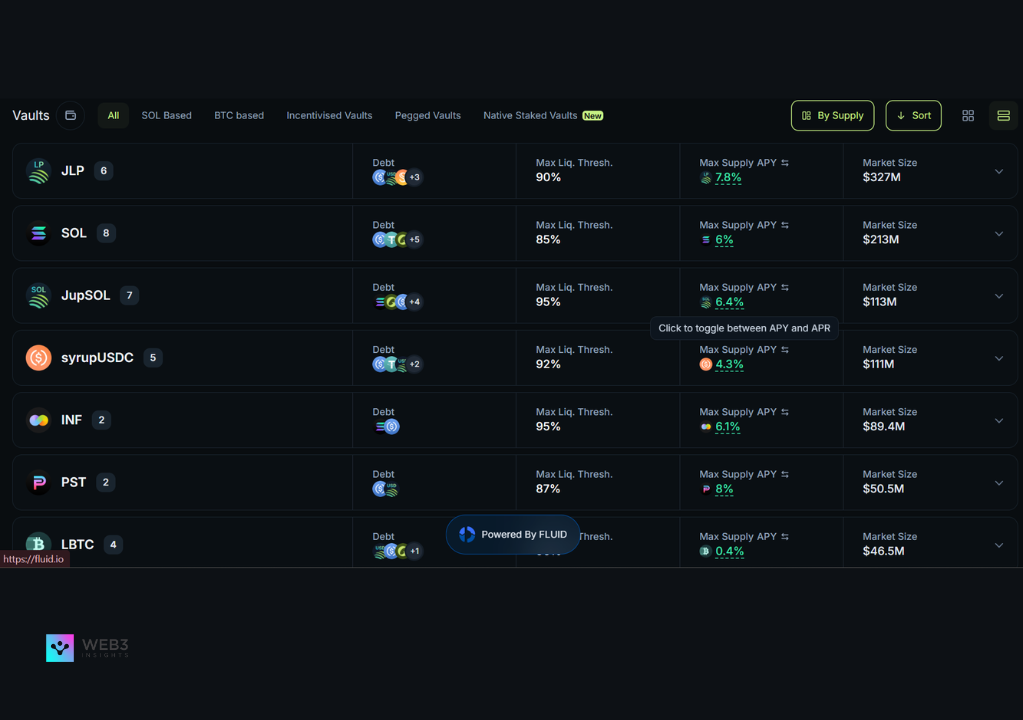
Another interesting aspect of DeFi lending is that deposited collateral may continue earning yield.
For example, when SOL is deposited into certain lending pools, it can generate interest from borrowers who pay to access liquidity.
In some market conditions, the yield earned from supplying the asset may even be higher than the borrowing cost.
This means an investor could potentially maintain exposure to the asset, borrow liquidity, and still earn a small net return from the position.
Of course, interest rates in DeFi fluctuate depending on supply and demand, so these numbers change over time.
Surviving a Crypto Bear Market With DeFi
Bear markets test every crypto investor.
Prices fall, emotions run high, and many people feel forced to sell assets they still believe in.
DEFI offers another path.
By using lending protocols like Jupiter Lend, you can deposit assets such as Solana, borrow stablecoins against them, and maintain exposure to the underlying asset at the same time.
This approach doesn’t remove risk, but it does provide flexibility that didn’t exist in earlier stages of the crypto market.
For investors navigating volatile cycles, understanding these tools can make the difference between exiting a position too early and staying positioned for the next phase of the market.
As always, it’s important to do your own research and fully understand how any DeFi protocol works before committing funds.