






DeFi has changed the way crypto investors think about wealth. Instead of letting assets sit idle in a wallet, DeFi gives you ways to make your portfolio productive without selling your coins.
That is the real appeal. You keep your exposure to assets like ETH, SOL, or stablecoins, while earning through staking, lending, liquidity provision, or automated yield strategies. For long-term holders, that is a powerful shift.
The real challenge is choosing the right platforms. Not every DeFi protocol is built the same. Some are better for steady, lower-risk yield. Others are more advanced. If your goal is to earn from your crypto portfolio without selling, these are the DeFi platforms worth knowing.
1. Aave
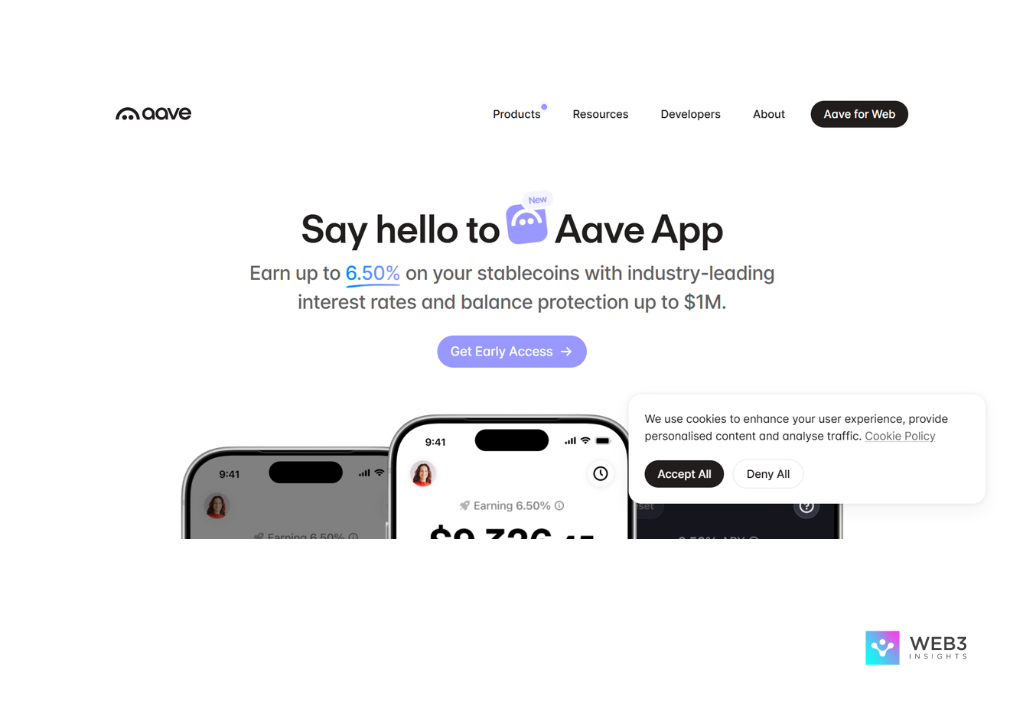
Aave is one of the biggest names in DeFi lending. It allows users to supply assets like USDC, ETH, and other major tokens, then earn interest from borrowers. That makes it one of the simplest ways to generate yield on idle crypto.
Its biggest strength is that the returns come from real borrowing demand, not just temporary hype. For users who want a straightforward DeFi platform with broad adoption and a solid reputation, Aave remains one of the strongest options.
2. Lido
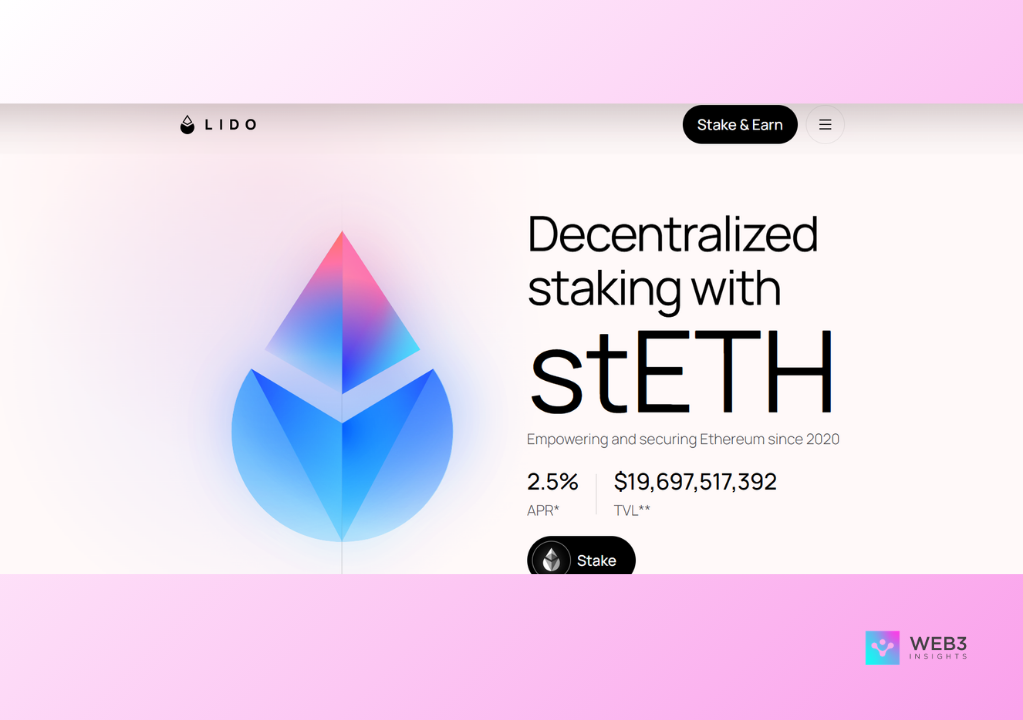
Lido made DeFi more useful for ETH holders by popularizing liquid staking. Instead of locking your ETH in a way that removes flexibility, Lido lets you stake ETH and receive stETH or wstETH in return. These tokens continue earning staking rewards while still being usable across DeFi.
That means you do not have to choose between staking yield and liquidity. For anyone holding ETH long term, Lido is one of the best DeFi platforms for earning passive income without selling.
3. Morpho
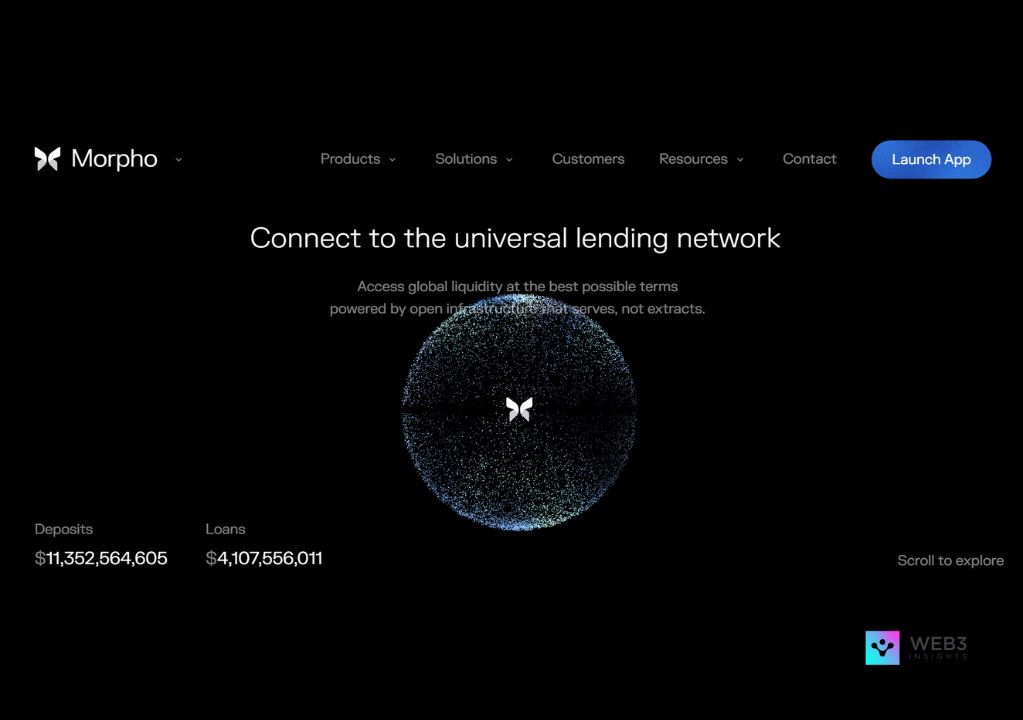
Morpho has become a respected name in DeFi because it improves the lending experience through vault-based infrastructure. Users can deposit assets into curated vaults and earn yield from lending activity in a more optimized way.
What makes Morpho stand out is that it feels more refined than a basic lending app. It is designed for users who want better capital efficiency and clearer strategy design. For people looking beyond simple deposit-and-earn DeFi products, Morpho is a serious contender.
4. Sky

Sky is one of the cleaner DeFi options for stablecoin holders. Users deposit USDS and receive sUSDS, which earns yield over time through the platform’s savings system. This makes it attractive for investors who want steady returns on stablecoins without chasing risky farming strategies.
That matters because stablecoins are not just cash positions. In DeFi, they can become productive assets too. Sky is especially useful for users who want crypto income with less volatility.
5. Pendle
Pendle is one of the most innovative DeFi platforms because it turns yield itself into something tradable. Instead of just passively earning, users can split future yield from an asset and choose how to use it. That opens the door to fixed yield, yield speculation, and more strategic positioning.
It is not the easiest DeFi platform for beginners, but it is one of the most powerful for advanced users. If you already hold yield-bearing assets and want more control, Pendle offers a smarter layer of opportunity.
6. Ethena
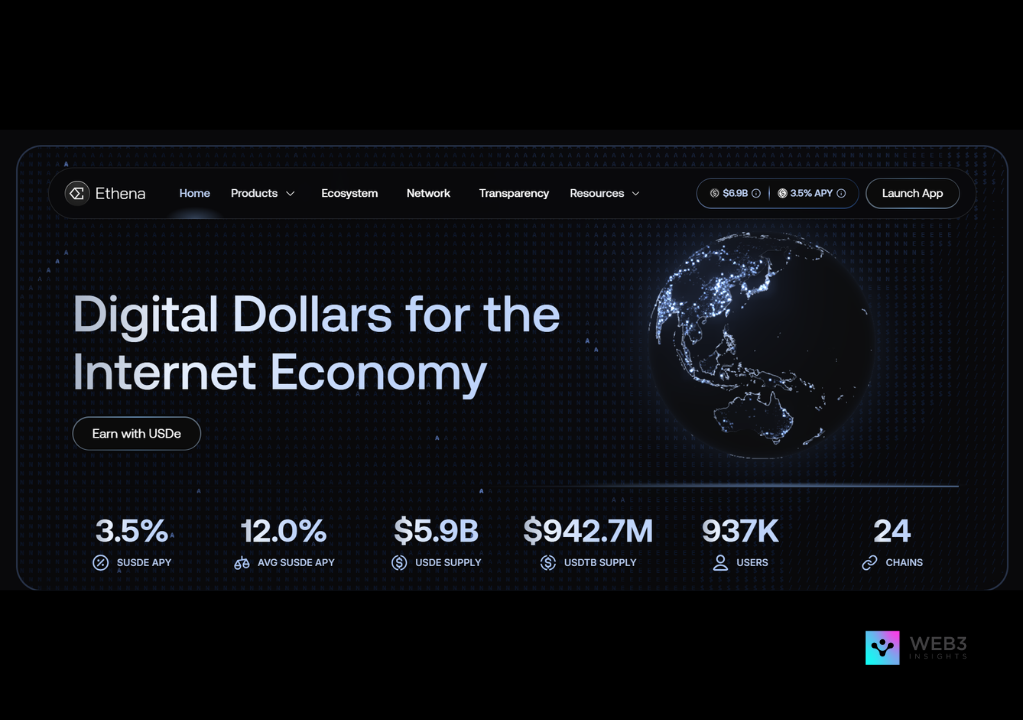
Ethena built its name around USDe and sUSDe. The passive income angle comes from staking USDe into sUSDe, which earns rewards over time. This gives users exposure to crypto-native dollar yield without relying on the exact same model as traditional DeFi lending protocols.
That different design is what makes Ethena appealing, but also why it demands more understanding. It is one of the more important DeFi platforms in the stable-yield conversation, especially for users comfortable with synthetic-dollar systems.
7. Uniswap

Uniswap is best known as a decentralized exchange, but it is also a major DeFi platform for liquidity providers. Users deposit token pairs into pools and earn a share of the fees generated by trading activity.
The income potential can be strong when volume is high, but this comes with one of the biggest risks in DeFi: impermanent loss. That is why Uniswap is better understood as a strategy platform rather than a simple passive-income tool. Used wisely, though, it can be one of the best ways to earn without selling.
8. Curve
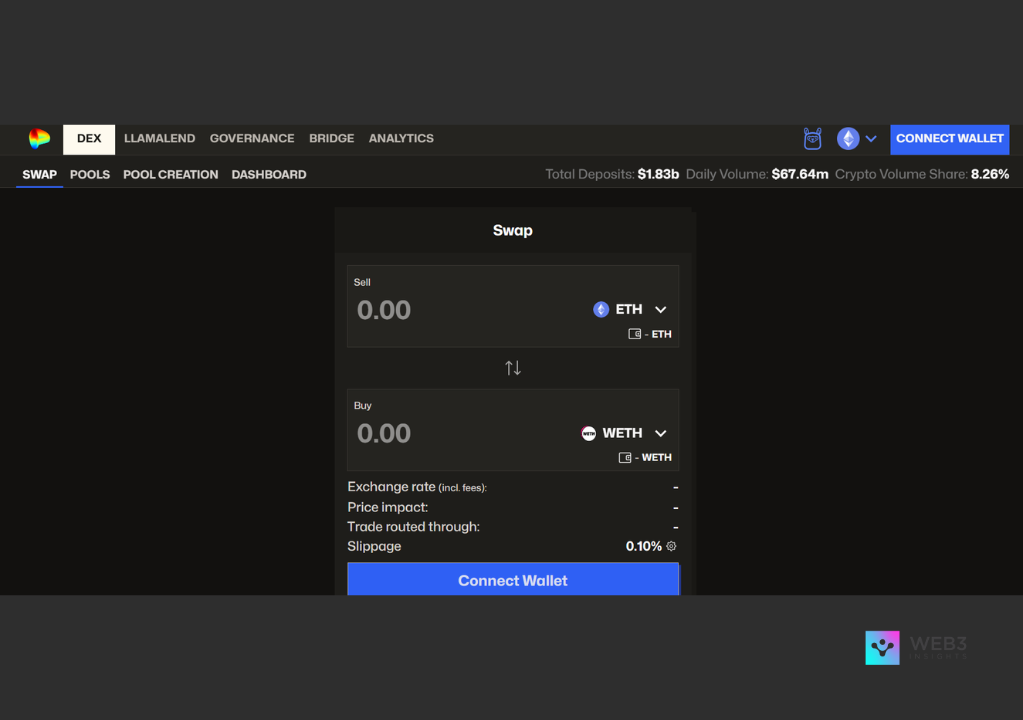
Curve is a core DeFi platform for stablecoin and correlated-asset liquidity. It specializes in efficient swaps between similar assets, which usually means lower slippage and steady usage. For liquidity providers, that creates an opportunity to earn from trading fees in pools that are less chaotic than random token pairs.
That gives Curve a very specific role in DeFi. It is ideal for users who want yield with a stronger stable-asset focus. Compared with broader platforms, Curve feels more specialized and more deliberate.
9. Yearn

Yearn is built for people who want DeFi yield without micromanaging every step. Its vaults automate strategies by moving deposited funds into yield-generating opportunities across the ecosystem.
That automation is the main selling point. Instead of constantly chasing returns yourself, Yearn handles the strategy layer for you. It is one of the best DeFi options for users who want a more hands-off approach to crypto income.
10. Jito
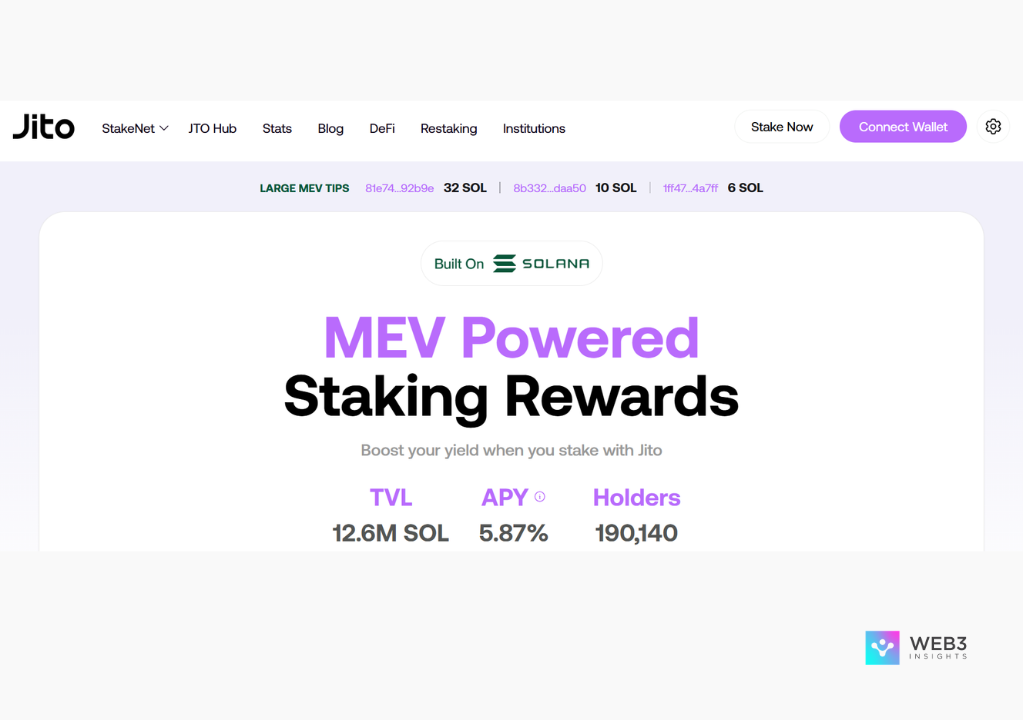
Jito is one of the top DeFi yield platforms on Solana. Users stake SOL and receive JitoSOL, a liquid staking token that keeps earning rewards while remaining usable across the Solana ecosystem. It also adds MEV-related rewards, which boosts its appeal.
For SOL holders, Jito does what Lido does for ETH: it makes staking liquid and more capital-efficient. That makes it one of the strongest DeFi platforms for anyone with a Solana-heavy portfolio.
Conclusion
DeFi is no longer just a niche corner of crypto. It is how smart investors make their portfolios work harder. Whether you are lending on Aave, or staking through Lido, the message is the same: you do not have to sell your crypto to make money from it.
The winners in crypto will not just be the people who hold good assets. They will be the ones who know how to use DeFi, crypto passive income, DeFi yield, liquid staking, stablecoin yield, ETH staking rewards, SOL staking rewards, onchain lending, yield farming, and portfolio compounding to make those assets produce.